
In today’s fast-paced world, our homes have become more than just places to live—they are sanctuaries where we seek calm and clarity. Embracing serenity through minimalist home design offers a powerful way to transform your living space into a peaceful retreat. By focusing on simplicity, function, and intention, a minimalist home enhances not only aesthetics but also mental well-being. This article will guide you through the core principles of minimalist design and provide practical steps to bring tranquility into your home environment.
What Is Minimalist Home Design and Why Does It Matter?
Minimalist home design is an approach that emphasizes clean lines, uncluttered spaces, and purposeful use of furnishings and decor. It strips away excess to highlight what truly matters, creating an atmosphere of calm and order. Unlike stark or cold interiors often mistaken for minimalism, a well-executed minimalist home balances simplicity with warmth and personality.
Why is this important? Studies show that cluttered environments can increase stress and reduce focus. A minimalist home encourages relaxation, better sleep, and productivity by reducing visual noise and distractions. For those interested in house and garden, adopting minimalist principles can also make maintenance easier and improve spatial flow.
Core Principles of Minimalist Home Design
- Functionality Over Decoration: Every item should serve a purpose. Avoid decorative objects that do not add value or meaning.
- Quality, Not Quantity: Invest in fewer but higher-quality pieces that last longer and provide greater satisfaction.
- Neutral and Natural Color Palettes: Whites, grays, earthy tones, and soft pastels help create a serene and cohesive look.
- Open and Uncluttered Spaces: Emphasize negative space to allow rooms to breathe and feel larger.
- Simple and Clean Lines: Choose furniture and architectural elements with clean, geometric shapes.
- Natural Light and Materials: Maximize daylight and use materials like wood, stone, and linen for organic warmth.
How Can You Start Transitioning to a Minimalist Home?
Transitioning to a minimalist home can feel overwhelming, but breaking it down into manageable steps makes the process achievable. Here’s a practical approach to begin:
- Declutter Room by Room: Start with one area, such as the living room or bedroom. Sort items into categories: keep, donate, recycle, or discard. Aim to reduce belongings by 30-50% initially.
- Evaluate Furniture: Keep pieces that are functional and fit the scale of your space. Remove bulky or unnecessary items to open up the room.
- Adopt a Neutral Palette: Paint walls in soft neutrals and limit bold accents to a few well-chosen elements like cushions or artwork.
- Maximize Natural Light: Remove heavy curtains and consider sheer options. Position mirrors to reflect light and expand visual space.
- Incorporate Storage Solutions: Use hidden storage or minimalist shelving to maintain tidiness without sacrificing style.
What Are Some Practical Examples of Minimalist Spaces?
Consider the following mini-case studies to visualize minimalist principles in action:
| Space | Before | After Minimalist Redesign | Impact |
|---|---|---|---|
| Living Room | Overfilled with mismatched furniture, numerous knick-knacks, and heavy drapes | Neutral walls, a streamlined sofa, simple coffee table, and open shelving with curated decor | Room feels 40% larger and calmer; cleaning time reduced by half |
| Bedroom | Cluttered bedside tables, excessive pillows, and dark wallpaper | Light-colored walls, minimal bedding with two pillows, floating nightstands | Improved sleep quality reported; room feels more restful and inviting |
| Kitchen | Crowded countertops, outdated cabinets, and mixed finishes | Streamlined cabinetry with handleless doors, clear countertops, and uniform stainless appliances | Cooking efficiency increased, space feels 25% larger, visually cleaner |
How Does Minimalism Affect Your Daily Life and Well-being?
Living in a minimalist home does more than improve aesthetics—it positively influences your lifestyle and mental health. Fewer distractions help you focus on what’s important, whether it’s family time, hobbies, or work. A serene environment can reduce anxiety and promote mindfulness.
Moreover, adopting minimalist principles can lead to smarter purchasing habits, encouraging sustainability. By choosing quality over quantity, you reduce waste and support eco-friendly products.
What Are Some Common Challenges and How to Overcome Them?
- Attachment to Possessions: It’s natural to feel reluctant to part with belongings. Journaling about why you keep certain items or starting with less sentimental areas can help.
- Fear of a Cold or Impersonal Look: Incorporate textures like soft rugs, woven baskets, and indoor plants to add warmth.
- Maintaining Minimalism Long-Term: Schedule quarterly reviews of your space to reassess items and prevent clutter buildup.
What Are the Key Takeaways to Transform Your Home with Minimalist Design?
- Focus on creating purposeful, functional spaces with fewer but meaningful possessions.
- Use a calming color palette and natural materials to foster serenity.
- Declutter progressively and embrace open layouts to enhance spatial flow.
- Incorporate storage solutions to maintain order without sacrificing aesthetics.
- Recognize that minimalism is a lifestyle choice that enhances well-being and sustainability.
Transforming your home into a minimalist sanctuary is a rewarding journey that can elevate your daily living experience. Start small, stay consistent, and enjoy the peace that simplicity brings. Ready to embrace serenity? Begin your minimalist home transformation today and create a space that truly reflects calm and clarity.

Domino’s Is Hiring: New Job Opportunities Available
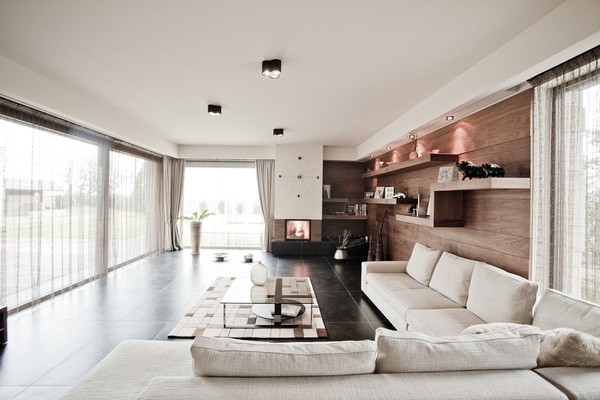
Minimalist home: transforming your space with serenity
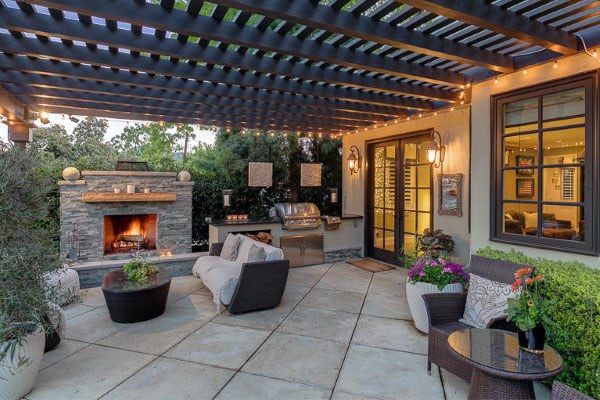
Patio makeover: transforming your outdoor space

Essential home repair skills every homeowner should know

Effective composting: a practical guide for every home gardener
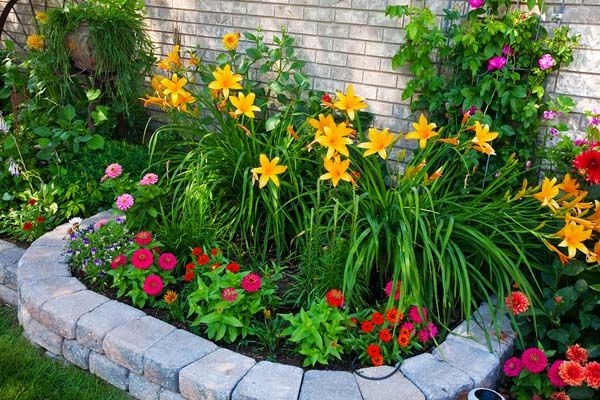
Flower garden design: expert tips for a flourishing outdoor space

Building a lifelong relationship with your garden

Romantic home ambiance: tips for online dating success

Healing heartbreak through home design