Transforming your outdoor space into a flourishing flower garden is not only a rewarding hobby but also a wonderful way to enhance the beauty and value of your home. A thoughtfully designed flower garden can provide year-round color, attract beneficial wildlife, and create a serene retreat for relaxation. Whether you are starting from scratch or revitalizing an existing garden, expert guidance can make all the difference in achieving a vibrant, sustainable floral display. In this article, we’ll explore essential tips and strategies to help you design a flower garden that thrives and delights.
Why Design Matters in Creating a Flourishing Flower Garden
Simply planting flowers randomly often leads to uneven growth, maintenance challenges, and a lackluster appearance. Good garden design considers factors such as plant selection, soil conditions, sunlight exposure, and seasonal interest to ensure your flower garden flourishes. By planning carefully, you can create layers of texture, color, and height that complement your outdoor space while reducing upkeep and maximizing bloom times.
How to Choose the Right Location and Prepare Your Soil
Before selecting plants, evaluate your outdoor space for sunlight, drainage, and soil quality. Most flowering plants require at least 6 hours of direct sunlight daily, so choose a spot that meets this need. If your garden area is shaded, consider shade-tolerant varieties like impatiens or hostas.
Soil preparation is crucial. Test the pH and nutrient levels of your soil with a home kit or through a local extension service. Most flowers prefer slightly acidic to neutral soil (pH 6.0–7.0). Improve poor soil by incorporating organic matter such as compost or well-rotted manure, which enhances drainage and fertility.
Step-by-Step Soil Preparation
- Clear the area: Remove weeds, rocks, and debris to create a clean planting bed.
- Loosen the soil: Till or dig to a depth of 12 inches to aerate and allow roots to penetrate.
- Add amendments: Mix in compost or organic fertilizer according to soil test recommendations.
- Level the bed: Rake the soil surface smooth for even planting.
What Are the Best Plants for a Flower Garden That Thrives?
Choosing the right plants is essential for a successful flower garden. Consider native species and perennials, which tend to be more resilient and require less maintenance than exotic or annual plants. Here are some expert recommendations:
| Plant Type | Examples | Sunlight | Bloom Time | Maintenance Level |
|---|---|---|---|---|
| Perennials | Black-eyed Susan, Coneflower, Daylily | Full to partial sun | Summer to fall | Low to medium |
| Annuals | Petunia, Marigold, Zinnia | Full sun | Spring to fall | Medium |
| Bulbs | Tulip, Daffodil, Crocus | Full sun to partial shade | Spring | Low |
| Shade Plants | Hosta, Astilbe, Fern | Partial to full shade | Summer | Low |
Mixing these plant types ensures continuous blooms throughout the growing season and creates visual interest with varying heights and textures. For example, plant tall coneflowers in the back of a border, mid-height daylilies in the middle, and low-growing petunias near paths.
How Can You Design Your Garden for Year-Round Interest?
To keep your flower garden attractive beyond the summer months, plan for staggered bloom times and include plants with interesting foliage or seed heads. Incorporate evergreens, ornamental grasses, and late-blooming flowers like asters or chrysanthemums. This approach not only adds seasonal color but also supports pollinators and birds during off-peak periods.
Design Tips for Seasonal Success
- Layer your plants: Use a mix of heights and textures to create depth.
- Group by bloom time: Plant clusters of early, mid, and late-season flowers for continuous color.
- Include foliage plants: Use plants with colorful or variegated leaves to add interest when flowers are absent.
- Plan for winter: Add shrubs with berries or seed heads to maintain garden appeal in colder months.
What Maintenance Practices Keep a Flower Garden Flourishing?
Even the most well-designed flower garden requires consistent care. Establish a maintenance routine that includes watering, weeding, fertilizing, and pruning to promote healthy growth and abundant blooms.
- Watering: Most flowering plants need about 1 inch of water per week. Water deeply in the morning to encourage strong roots.
- Weeding: Remove weeds regularly to reduce competition for nutrients and water.
- Fertilizing: Apply a balanced, slow-release fertilizer in early spring and again mid-season to support growth.
- Deadheading: Remove spent flowers to encourage new blooms and prevent seed formation.
- Mulching: Apply a 2-3 inch layer of mulch to conserve moisture, regulate soil temperature, and suppress weeds.
Can You Incorporate Sustainability Into Your Flower Garden?
Absolutely. Sustainable gardening practices not only protect the environment but also create a healthier, more resilient garden. Consider these strategies:
- Choose native plants: They are adapted to local conditions and support native wildlife.
- Use rainwater harvesting: Collect rainwater to irrigate your garden and reduce reliance on municipal water.
- Compost: Recycle garden waste into nutrient-rich compost to enrich your soil naturally.
- Limit chemical use: Opt for organic fertilizers and natural pest control methods.
What Are Some Practical Steps to Start Your Flower Garden Today?
Ready to transform your outdoor space? Follow these actionable steps:
- Assess your space: Note sunlight, soil condition, and existing plants.
- Draw a garden plan: Sketch your flower garden layout including plant placement.
- Prepare the soil: Clear, loosen, and enrich your soil bed.
- Select plants: Choose species suited to your climate and garden conditions.
- Plant thoughtfully: Follow spacing and depth recommendations for each species.
- Establish care routine: Water, mulch, and maintain regularly.
For example, a homeowner in a temperate climate created a flourishing flower garden by starting with a soil test, adding compost, and planting a mix of coneflowers, black-eyed Susans, and tulips. Within three months, the garden showed vibrant blooms and attracted butterflies and bees, proving the effectiveness of careful planning and sustainable practices.
Conclusion: Design Your Own Flourishing Flower Garden
Designing a flourishing flower garden is a fulfilling way to enhance your outdoor living space and connect with nature. By carefully selecting the right location, preparing your soil, choosing appropriate plants, and maintaining your garden with sustainable practices, you can enjoy a vibrant floral display through multiple seasons. Start small, plan thoughtfully, and watch your garden transform into a colorful, thriving sanctuary.
Ready to get your hands dirty and create a stunning flower garden? Begin by assessing your space today and planning your dream garden layout. With patience and care, your outdoor space will soon bloom with beauty and life!

Minimalist home: transforming your space with serenity

Patio makeover: transforming your outdoor space

Essential home repair skills every homeowner should know
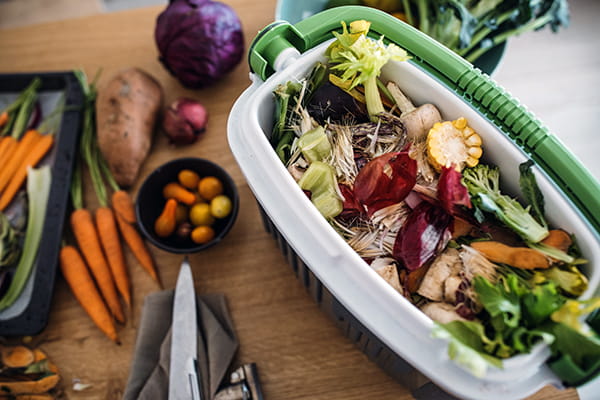
Effective composting: a practical guide for every home gardener
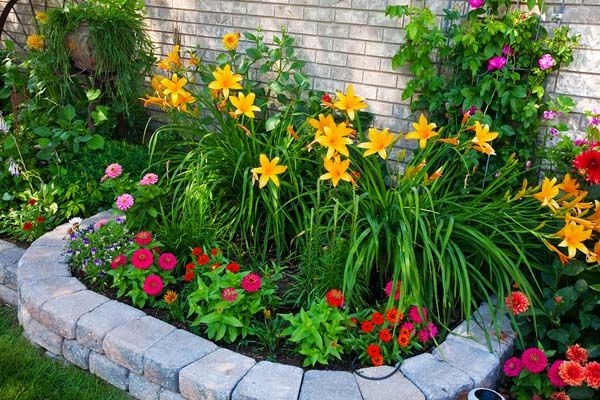
Flower garden design: expert tips for a flourishing outdoor space

Building a lifelong relationship with your garden

Romantic home ambiance: tips for online dating success

Healing heartbreak through home design

Situationships: creating a harmonious home in the gray area