Transforming your garden into a thriving, sustainable oasis starts with enriching your soil—and composting is the key. Whether you’re a seasoned gardener or just starting, effective composting techniques can revolutionize your outdoor space by turning everyday organic waste into nutrient-rich humus. This guide will walk every homeowner through practical methods to compost efficiently, helping you reduce waste, improve soil health, and grow more vibrant plants.
Why Should Every Homeowner Embrace Composting?
Composting offers multiple benefits that go beyond just gardening. It reduces landfill waste by recycling kitchen scraps and yard debris, lowers your carbon footprint, and enriches your soil naturally without chemicals. Gardens with composted soil retain moisture better, foster beneficial microorganisms, and boost plant growth and resilience. In essence, composting closes the loop in your household’s organic waste cycle, creating a sustainable ecosystem right in your backyard.
What Are the Core Principles of Effective Composting?
Understanding the basics helps you master the process. Composting relies on the natural decomposition of organic materials through the activity of microbes, fungi, and other organisms. The three critical factors to manage are:
- Carbon-to-Nitrogen Ratio (C:N): Aim for a balance between “brown” materials (carbon-rich) like dried leaves, cardboard, and straw, and “green” materials (nitrogen-rich) like fruit scraps, grass clippings, and coffee grounds. An ideal ratio is roughly 25–30 parts carbon to 1 part nitrogen.
- Moisture: Compost should be as damp as a wrung-out sponge. Too dry, and microbial activity slows; too wet, and it becomes anaerobic and smelly.
- Oxygen: Aerobic microbes need oxygen to thrive—regularly turning or aerating your pile helps maintain airflow and speeds up decomposition.
Which Composting Techniques Suit Different Homeowners?
Not every garden or lifestyle is the same, so choosing the right composting method matters. Here are some popular approaches:
1. Traditional Compost Pile
This is the classic method. Simply gather your organic waste in a designated spot, layering browns and greens. Turn the pile every one to two weeks to aerate. It typically takes 3 to 6 months to produce usable compost.
- Best for: Homeowners with moderate space and time to manage turning.
- Tip: Keep the pile at least 3 feet wide and tall to maintain heat.
2. Compost Bin Systems
Bins help contain your compost, keeping it tidier and often more aesthetically pleasing. Options range from plastic tumblers to wooden crates.
- Advantages: Easier to manage moisture and pests; tumblers speed up breakdown by allowing easy turning.
- Example: A rotating tumbler can produce compost in as little as 4 to 8 weeks.
3. Vermicomposting (Worm Composting)
For those with limited outdoor space, vermicomposting uses red wiggler worms to break down kitchen scraps indoors or in shaded areas.
- Benefits: Produces nutrient-dense worm castings and compost tea; odor-free if managed well.
- Considerations: Requires some ongoing care; avoid citrus or oily foods.
4. Sheet Composting (Lasagna Gardening)
This no-turn method involves layering organic materials directly on garden beds. Over time, the layers break down, enriching the soil below.
- Ideal for: Gardeners wanting to improve soil without dedicated compost bins.
- Note: Takes longer, usually one growing season or more.
What Materials Should You Compost—and What Should You Avoid?
Knowing what to add to your compost ensures a healthy, odor-free process. Here’s a quick guide:
| Compostable Materials (Browns and Greens) | Materials to Avoid |
|---|---|
|
|
How Can You Troubleshoot Common Composting Problems?
Even with the best intentions, composting can sometimes hit snags. Here’s how to fix frequent issues:
- Bad Odor: Usually caused by too much moisture or lack of air. Turn the pile and add dry browns like leaves or straw.
- Slow Decomposition: May indicate an imbalance in materials or cold weather. Chop materials smaller and add nitrogen-rich greens.
- Pests: Avoid adding meats or oily foods and cover fresh scraps with browns. Use secure bins if rodents are a problem.
- Dry Pile: Add water and turn to evenly distribute moisture.
What Are Simple Steps to Start Composting Today?
Ready to take action? Here’s a straightforward plan to launch your composting journey:
- Choose your method: Pick a compost type that fits your space and lifestyle.
- Set up your site: Place your pile or bin in a convenient, well-drained spot with some shade.
- Gather materials: Collect kitchen scraps and yard waste, remembering the do’s and don’ts.
- Build your pile: Start layering browns and greens, maintaining a roughly 3:1 ratio.
- Maintain: Turn every 1–2 weeks and monitor moisture.
- Harvest: In 3 to 6 months (or less with tumblers), your compost should be dark, crumbly, and earthy-smelling—ready to nourish your garden!
How Does Composting Impact Your Garden’s Health?
Incorporating compost into your soil improves its texture and fertility. It promotes better water retention, reducing the need for frequent watering. Compost also feeds beneficial microbes that protect plants from diseases and supports stronger root systems. Gardens treated with compost often show 10 to 20% better growth rates and more vibrant blooms compared to those relying solely on chemical fertilizers.
Conclusion: Transform Your Garden and Reduce Waste with Composting
Composting is a powerful, eco-friendly way to enhance your garden’s vitality while minimizing household waste. By understanding the science behind decomposition and selecting a method that suits your home, you can create rich, healthy soil that supports flourishing plants year-round. Start small, stay consistent, and watch your garden transform.
Take the first step today: gather your kitchen scraps, set up a compost bin or pile, and join millions of homeowners turning waste into garden gold. Your plants—and the planet—will thank you.

Minimalist home: transforming your space with serenity

Patio makeover: transforming your outdoor space

Essential home repair skills every homeowner should know
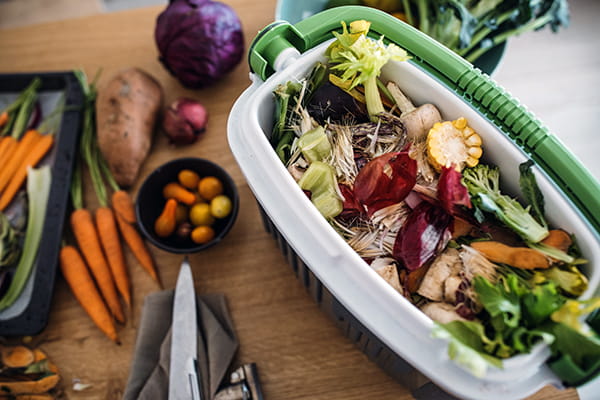
Effective composting: a practical guide for every home gardener
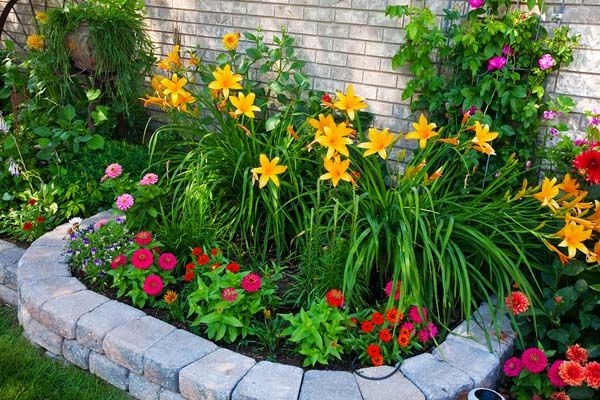
Flower garden design: expert tips for a flourishing outdoor space

Building a lifelong relationship with your garden

Romantic home ambiance: tips for online dating success

Healing heartbreak through home design

Situationships: creating a harmonious home in the gray area