In today’s evolving social landscape, the concept of a “situationship” has become increasingly common. A situationship is a romantic or quasi-romantic relationship that lacks clear definitions or commitments. For many, this gray area can bring both excitement and uncertainty, especially when it comes to creating a shared living space. Navigating the complexities of cohabiting or spending significant time together in a home during a situationship requires intentionality and care. This article explores practical strategies to build a harmonious home environment despite the ambiguous nature of the relationship, providing guidance that blends interpersonal dynamics with the practicalities of House and Garden.
What Makes a Situationship Different When It Comes to Home Life?
Unlike traditional romantic relationships, where roles and expectations are often more clearly defined, a situationship thrives in ambiguity. This can influence how partners approach living arrangements, household responsibilities, and emotional boundaries within the home. Without a formal commitment, there may be uncertainty about how much space each person occupies, how decisions are made, and what the shared vision for the home entails.
For instance, one partner might assume they have equal say in décor choices or guest visits, while the other might feel it’s premature to make such decisions together. These mismatched expectations can lead to tension, making it essential to establish a balance that respects both individuals’ comfort levels.
How Can You Establish Boundaries in a Situationship-Shared Space?
Clear boundaries serve as the foundation for harmony in any shared living environment, but they become crucial in a situationship where relationship dynamics are fluid. Here are some actionable ways to set and maintain boundaries:
- Define Personal Spaces: Agree on which areas are communal and which are private. For example, each partner might have their own closet space or designated areas for personal belongings.
- Communicate Expectations: Discuss how often guests can visit, noise levels, and cleanliness standards. Being upfront about these topics prevents misunderstandings.
- Respect Emotional Boundaries: Recognize that the relationship is undefined; avoid making assumptions about exclusivity or future plans unless mutually agreed upon.
Creating a Comfortable and Functional Home Environment
Regardless of relationship status, a home should be a sanctuary that fosters comfort and well-being. In a situationship, this goal can be achieved by blending practical home management with thoughtful design choices that reflect both parties’ preferences.
How to Balance Shared and Individual Preferences in Home Decoration?
Balancing tastes and styles can be challenging but rewarding. Consider these steps:
- Start with Neutral Base Elements: Choose versatile colors and furniture that accommodate both partners’ aesthetics.
- Incorporate Personal Touches: Allocate space for each person’s art, plants, or collectibles to maintain individuality.
- Use Modular or Flexible Furniture: Items like movable shelves or multi-purpose seating allow adaptability as the relationship evolves.
For example, a couple in a situationship might agree on neutral wall colors but allow each other to decorate their side of the living room with personal photos or favorite books. This approach respects individuality while maintaining a cohesive environment.
Managing Household Responsibilities Without Formal Commitments
One common source of friction in any shared home is the division of chores. In a situationship, where roles may not be clearly defined, this can become even trickier.
What Are Practical Ways to Share Household Duties?
Here are some strategies to ensure fairness and reduce stress:
- Create a Chore Chart: Even a simple schedule outlining tasks like laundry, cooking, and cleaning can help avoid confusion.
- Regular Check-Ins: Set aside time weekly or biweekly to discuss what’s working and what needs adjustment.
- Be Flexible and Communicative: Recognize that availability and energy levels may vary; openness is key.
For instance, if one partner works longer hours, the other might take on more cooking duties with the understanding that the balance will shift when circumstances change.
How to Handle Emotional Ambiguity While Sharing a Home?
Living together can blur emotional lines, which might complicate a situationship. It’s important to manage these feelings with transparency and respect.
- Keep Communication Open: Regularly express how living together impacts your feelings and expectations.
- Maintain External Support Systems: Friends, family, or counselors can provide perspective and emotional support.
- Set Personal Boundaries: Agree on moments of personal space and time apart within the home.
For example, scheduling alone time or pursuing separate hobbies at home can help individuals maintain a sense of independence and reduce emotional tension.
Case Study: Balancing Home Life in a Situationship
Consider the example of Maya and Jordan, who started living together after a few months of dating but never labeled their relationship. Initially, disagreements arose over cleaning routines and hosting friends. By implementing a shared chore calendar and agreeing to discuss plans before inviting guests, they created a more balanced environment. Maya decorated the bedroom with her plants, while Jordan curated the living room shelves with his books, preserving personal spaces within the shared home. They also set weekly check-ins to address any concerns, which helped them navigate the emotional ambiguity more smoothly.
Summary Table: Key Strategies for Harmonious Living in a Situationship
| Challenge | Strategy | Outcome |
|---|---|---|
| Unclear Boundaries | Define personal vs. shared spaces | Reduces conflicts over privacy and possessions |
| Different Decoration Preferences | Combine neutral bases with personal touches | Creates a balanced, comfortable home aesthetic |
| Household Chore Imbalance | Use chore charts and regular check-ins | Ensures fairness and avoids resentment |
| Emotional Ambiguity | Maintain open communication and personal time | Supports emotional well-being and clarity |
Final Thoughts: Taking Action for a Peaceful Home
Living in a situationship doesn’t have to mean chaos or discomfort at home. By intentionally setting boundaries, sharing responsibilities, and fostering open communication, you can create a space where both partners feel respected and at ease. Whether your living arrangement is temporary or evolving, the key lies in balancing individuality with cooperation.
If you find yourself navigating a situationship at home, start by having an honest conversation about your needs and expectations. Then, implement small changes—like a chore schedule or designated personal spaces—that support harmony. Remember, a peaceful home is not just about the physical space but the emotional environment you cultivate together.
Ready to transform your shared space into a sanctuary? Begin today by discussing your personal boundaries and preferences with your partner, and take the first step toward creating a harmonious home that reflects both of you.
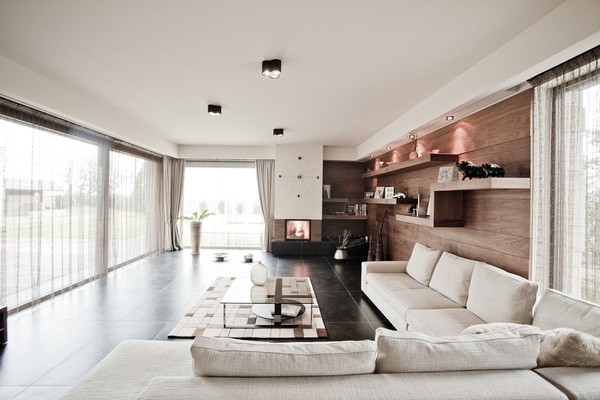
Minimalist home: transforming your space with serenity

Patio makeover: transforming your outdoor space

Essential home repair skills every homeowner should know

Effective composting: a practical guide for every home gardener

Flower garden design: expert tips for a flourishing outdoor space

Building a lifelong relationship with your garden

Romantic home ambiance: tips for online dating success

Healing heartbreak through home design

Situationships: creating a harmonious home in the gray area