In today’s diverse landscape of relationships, many couples are exploring alternatives that promote personal freedom while nurturing deep connections. One such dynamic gaining attention is the open relationship, where partners agree to engage in romantic or intimate connections outside their primary bond. For those who share a home, navigating an open relationship requires thoughtful consideration—not just emotionally, but also in how the shared living space supports harmony, trust, and growth. This article explores practical guidance on fostering a balanced, loving environment in your home while embracing the unique challenges and opportunities of open relationships.
What Is an Open Relationship and Why Does It Matter at Home?
An open relationship is a consensual arrangement where individuals maintain a committed partnership but allow for romantic or sexual connections with others. Unlike traditional monogamy, open relationships emphasize communication, honesty, and boundaries tailored to the couple’s needs. When living together, the home becomes more than a physical space—it’s the emotional and psychological ground where these agreements unfold daily.
Understanding how to create a harmonious living environment is crucial. Without it, misunderstandings and emotional stress can affect the quality of the relationship and the overall atmosphere at home. For people interested in house and garden topics, this means cultivating not only physical spaces but also emotional ones that support love and personal growth.
How Can You Design Your Living Space to Support an Open Relationship?
Designing a home that nurtures an open relationship involves integrating elements that foster privacy, communication, and comfort for all partners involved. Here are key strategies:
- Private Retreats: Even in shared spaces, having private areas where each partner can unwind or receive guests helps maintain boundaries and respect. This could be a separate bedroom, a cozy nook, or even a dedicated garden corner.
- Shared Communal Areas: Spaces like the living room or kitchen should encourage connection and openness. Opt for comfortable seating arrangements that invite conversation and engagement.
- Visual Cues and Symbols: Incorporate décor that reflects the values of openness and growth, such as art or plants symbolizing renewal and harmony. These subtle reminders can reinforce the relationship ethos.
- Flexible Furniture: Modular furniture allows reconfiguration depending on moods or needs, facilitating both group interaction and private moments.
Example:
Consider a couple who installed a sliding door between the bedroom and living area. This simple architectural feature provides the option to create a private space when needed and an open flow when partners want to connect more freely.
What Communication Practices Enhance Harmony in Open Relationships at Home?
Open relationships thrive on transparent communication. Within the home, establishing clear and compassionate dialogue habits can transform potential conflicts into opportunities for growth.
- Regular Check-ins: Schedule weekly or biweekly conversations about feelings, boundaries, and experiences to stay aligned.
- Use “I” Statements: Express feelings and needs without blame. For example, “I feel anxious when plans change suddenly” invites understanding rather than defensiveness.
- Non-Verbal Signals: Develop subtle cues or signals that communicate mood or availability, helping partners respect each other’s emotional space.
- Conflict Resolution Techniques: Adopt strategies like time-outs or mediation to handle disagreements constructively.
Mini-Case Study:
Jenna and Marcus, who share a home and practice an open relationship, use a shared digital calendar to track dates and private times. This transparency minimizes surprises and builds trust, keeping their home environment peaceful and respectful.
How Does Setting Boundaries Contribute to Growth and Stability?
Boundaries are essential in any relationship but take on heightened importance in open arrangements. Defining what is comfortable and acceptable helps partners feel secure and valued.
Boundaries can be physical, emotional, or temporal. Examples include:
- Agreeing on which rooms are off-limits to other partners.
- Setting rules about overnight guests or shared social events.
- Establishing emotional limits, such as topics that are private or require sensitivity.
| Type of Boundary | Description | Example |
|---|---|---|
| Physical | Defines personal space and privacy in the home. | Guest access limited to common areas only. |
| Emotional | Ensures respect for feelings and emotional safety. | Agreeing not to discuss certain topics with others. |
| Temporal | Sets timing and scheduling expectations. | Scheduling alone time or partner-only evenings. |
Such boundaries evolve over time, so revisiting and adjusting them every few months is recommended to accommodate changing needs and experiences.
What Role Does Self-Care Play in Maintaining a Healthy Open Relationship Within the Home?
Self-care is often overlooked but vital in sustaining emotional well-being for all partners. In an open relationship, self-awareness and personal growth contribute to a stronger, more resilient connection.
- Physical Self-Care: Create spaces for relaxation, such as a meditation corner or a small indoor garden, to help reduce stress.
- Mental Self-Care: Encourage activities that nourish the mind, like reading, journaling, or creative hobbies.
- Emotional Self-Care: Practice mindfulness or therapy to process feelings and maintain emotional balance.
By fostering individual well-being, the collective dynamic in the home becomes more supportive and nurturing.
How Can Couples Track Progress and Adjust Their Living Arrangement?
Continuous evaluation is key. Here’s a simple step-by-step approach:
- Set Goals: Define what harmony and growth mean for your partnership and living environment.
- Monitor: Keep a shared journal or digital notes about experiences, challenges, and successes.
- Review: Hold monthly meetings to discuss observations and feelings.
- Adjust: Be willing to change rules, routines, or space configurations as needed.
For example, if a partner feels overwhelmed by frequent guest visits, a new boundary or schedule can be set to create more downtime.
Conclusion: Building a Loving, Growth-Focused Home in an Open Relationship
Open relationships offer a unique path toward love that embraces freedom and connection. When partners live together, the home becomes a sanctuary where boundaries, communication, and self-care converge to create harmony. By thoughtfully designing physical spaces, cultivating open dialogue, and establishing clear boundaries, couples can foster an environment ripe for growth and mutual respect.
If you’re considering or currently in an open relationship, start by assessing your home’s layout and emotional climate. Introduce small changes that promote privacy and connection, and prioritize honest communication. Remember, creating a harmonious home is an ongoing process—embrace flexibility and patience as your relationship evolves.
Take Action: Begin today by having a heart-to-heart conversation with your partner about your shared vision for your home and relationship. From there, explore changes in your living space or routines that support your unique journey. Your home can be the foundation for love and growth in all its beautiful forms.
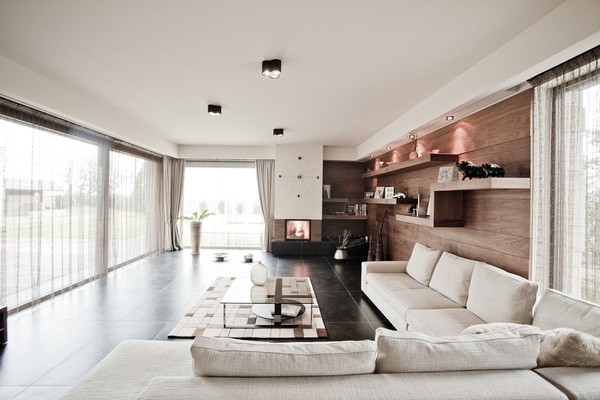
Minimalist home: transforming your space with serenity
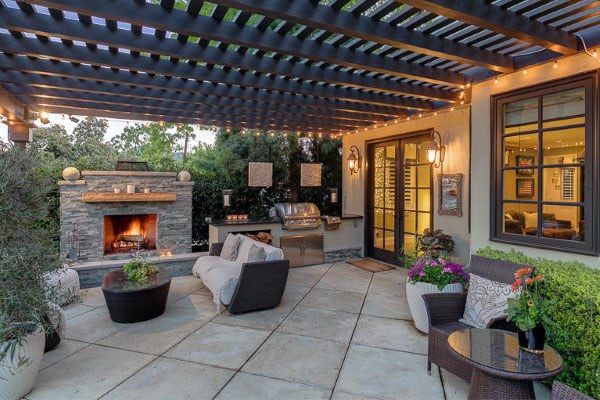
Patio makeover: transforming your outdoor space

Essential home repair skills every homeowner should know

Effective composting: a practical guide for every home gardener
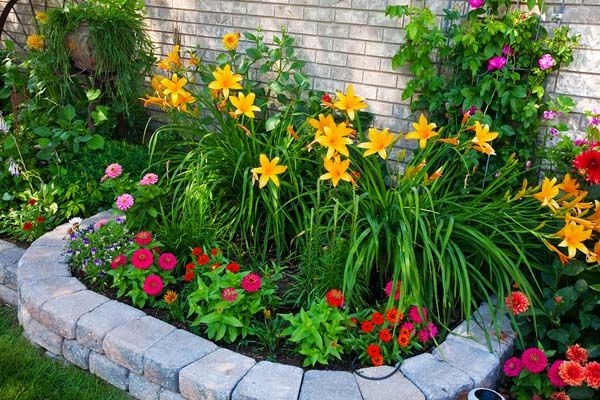
Flower garden design: expert tips for a flourishing outdoor space

Building a lifelong relationship with your garden

Romantic home ambiance: tips for online dating success

Healing heartbreak through home design

Situationships: creating a harmonious home in the gray area